
Building Empathy through Experience
March 10, 2026
At The Episcopal School of Dallas, we often speak about our mission to “ignite lives of purpose through the development of an educated conscience.” While this work begins in the classroom, it truly comes to life when our students step outside their own perspectives to view the world through the eyes of others. On our recent Upper School Special Programming Day, our sophomore class participated in a profound and eye-opening experience: the Cost of Poverty Experience (COPE).
A Glimpse into the System
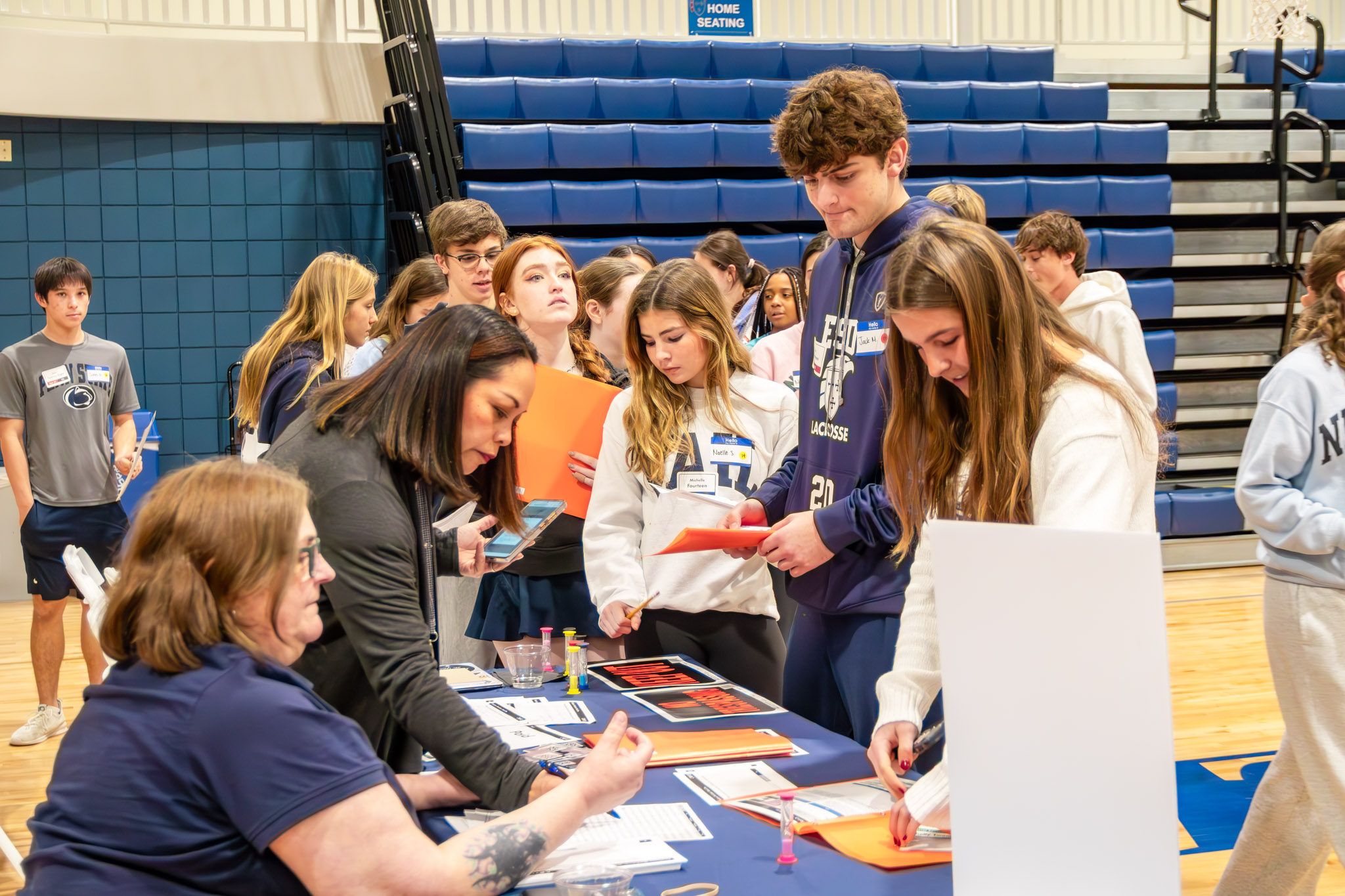
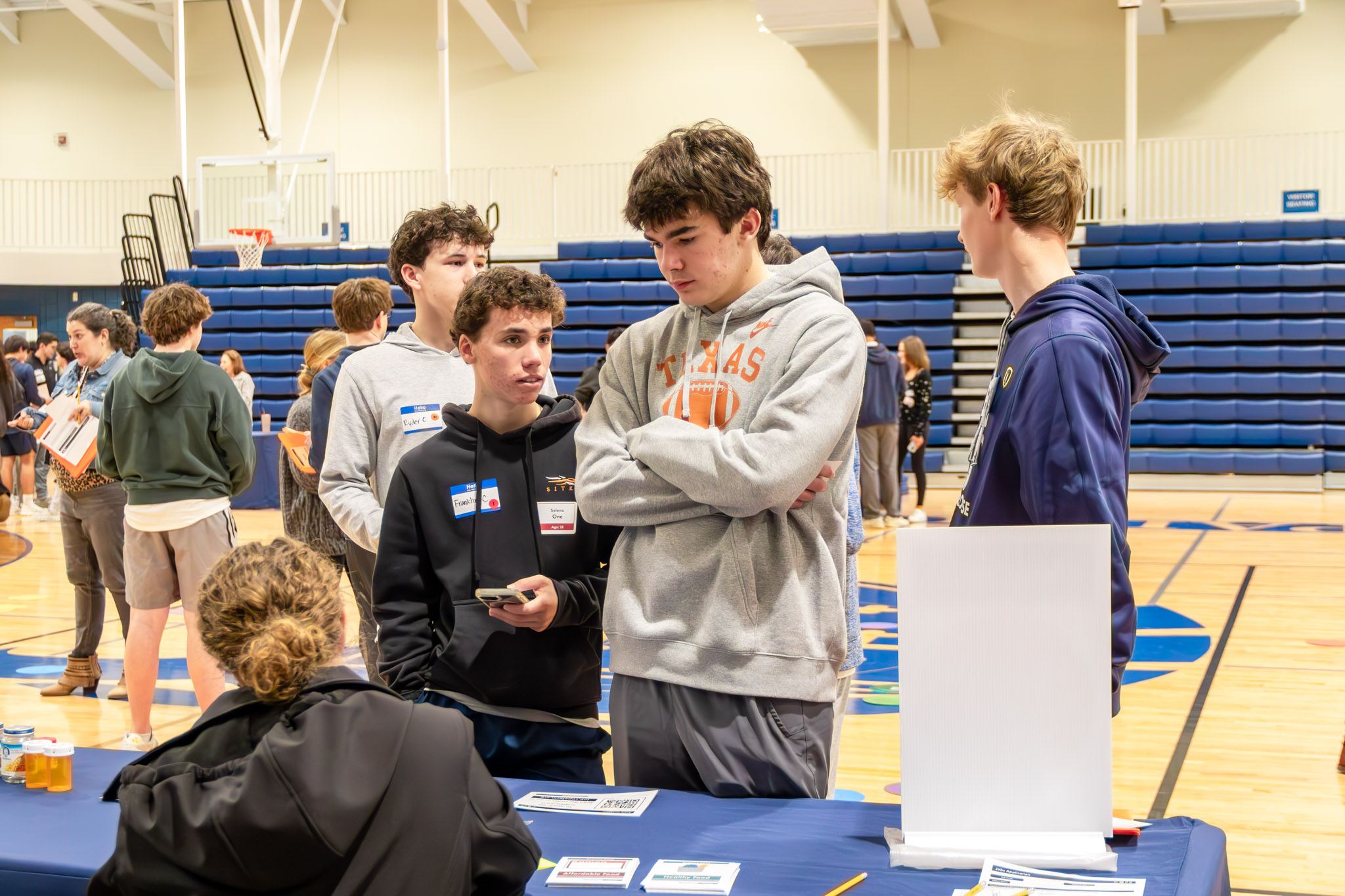
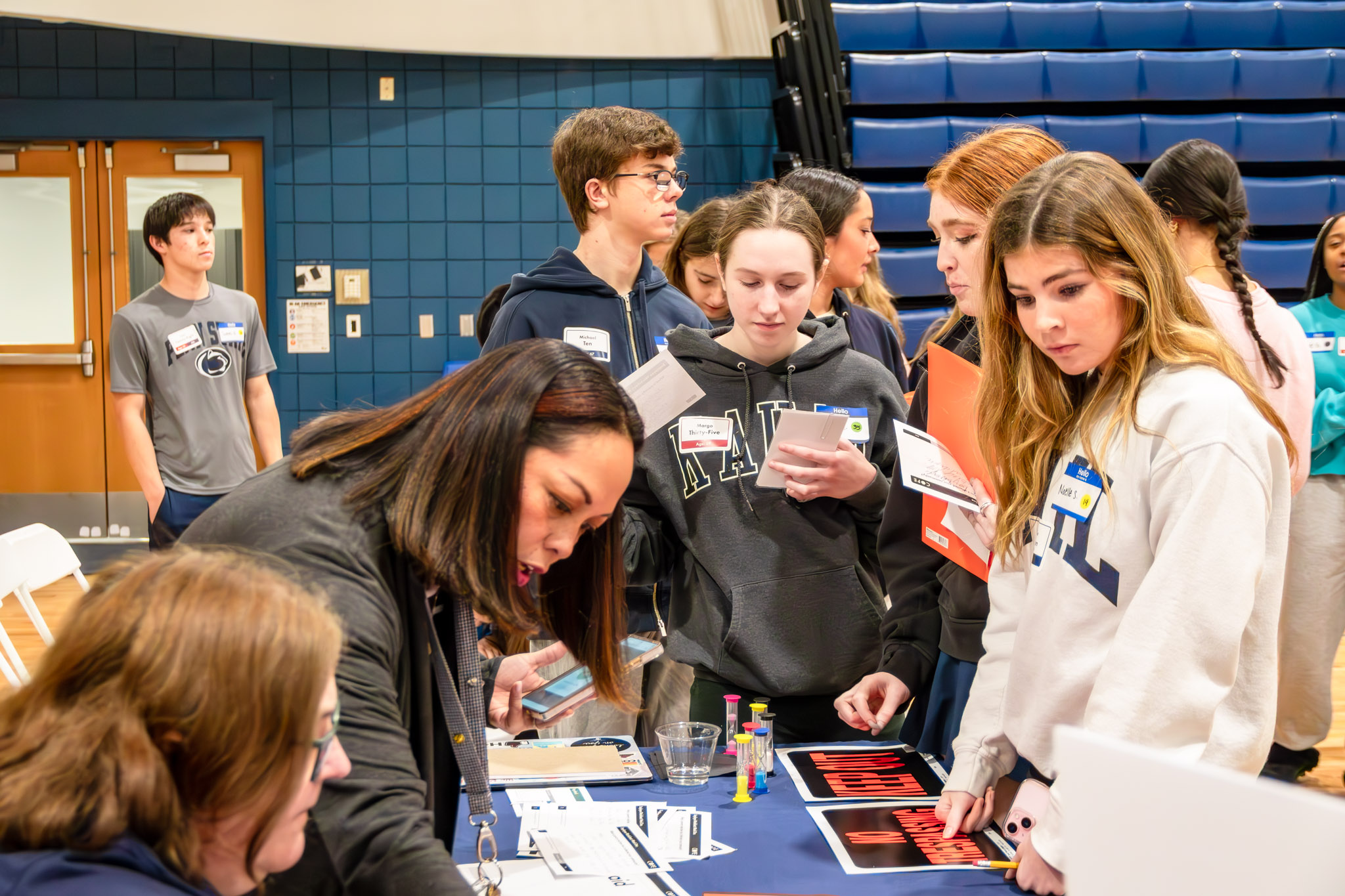
COPE is not a typical workshop; it is a 2.5-hour immersive poverty simulation that allows participants to experience the systemic and human impacts of poverty firsthand. During the session, students and faculty are assigned to “families,” each with a unique set of circumstances based on the lives of real families.
The simulation is structured into four 15-minute “weeks,” during which students must navigate the complex web of social services, employment, childcare, and financial obligations that many families face every day. Whether it’s choosing between paying rent or buying groceries, or figuring out how to get to a government office across town without a car, the experience is designed to be as challenging and realistic as possible.
“We wanted this simulation to be a part of the Upper School service learning experience because it fits so perfectly into the sophomore advocacy project curriculum,” explained Director of Community Service Learning Courtney Phelps. “Special Programming Days provide the intentional time and space needed for such a deep activity, and the Cost of Poverty Experience provides a tangible way for students to build empathy in our students, giving a face to the very communities they wish to advocate for through their projects.”
Connecting to our Pillars
Service at ESD is built upon the foundation of our five issue areas: housing stability, food security, quality health, education equity, and environmental sustainability. For our sophomores, who focus on advocacy as their service-learning theme, COPE is a vital bridge.
By navigating the hurdles of housing and food insecurity within the simulation, students begin to understand the root causes of the issues they see in our Dallas community. It moves them from simply doing “good work” to becoming “educated consciences” who can advocate for systemic change.
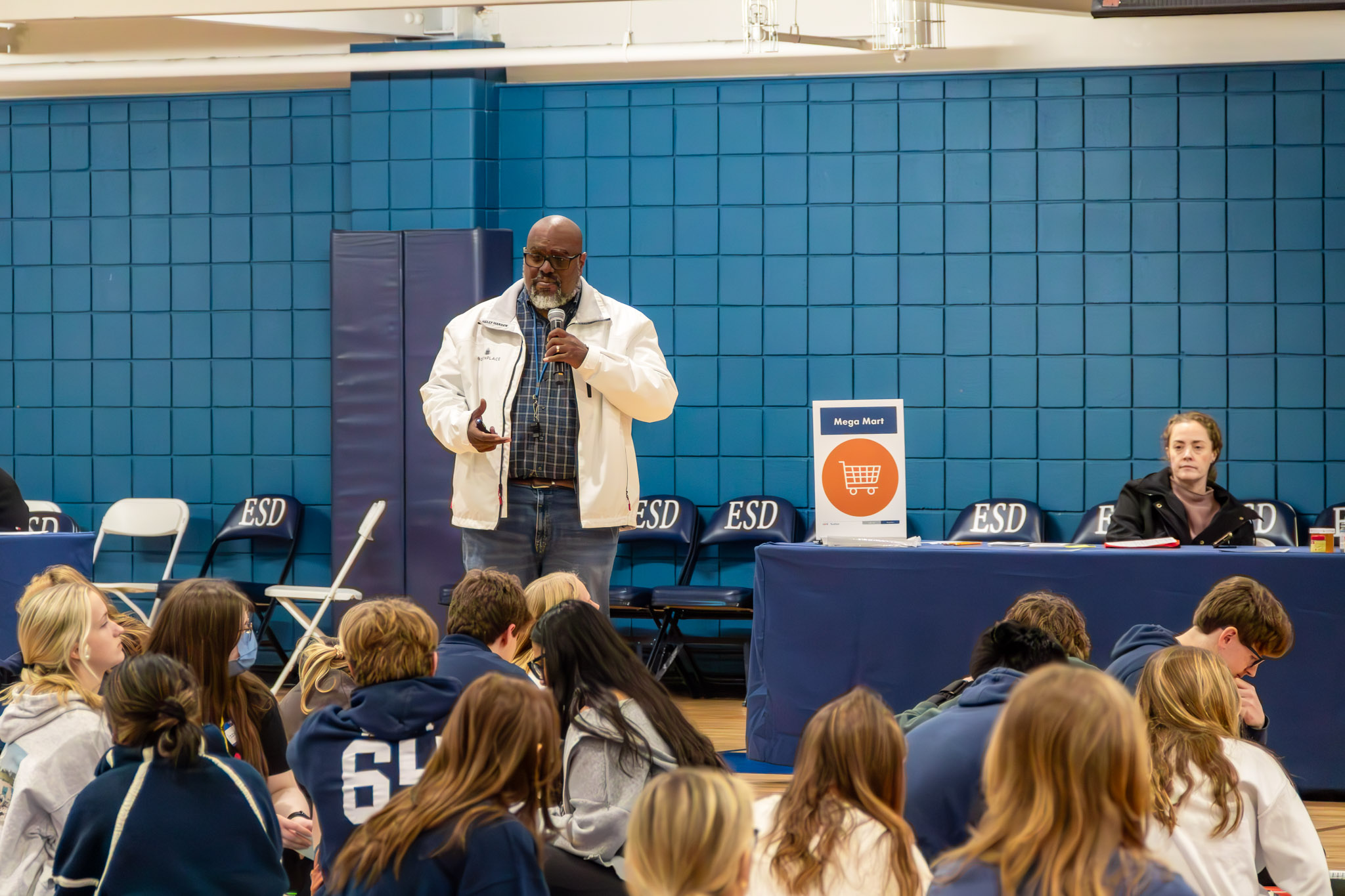
The most impactful moments often occur after the “month” has ended, during the group reflection period. Students shared their frustrations with the simulated systems they encountered and the empathy they felt for the families they represented.
“We hope the students more deeply understand the human and systemic impacts of poverty,” said Phelps. “Our goal is to foster empathy, challenge stereotypes, and help them gain varied perspectives of the issues in our local communities.”
To learn more about our Community Service Learning program and how we are preparing lives that reach out to the community and stand out in the world, visit our Community Service page.